EcoTok Business: Where Activism Meets Innovation
Hey fam, welcome to EcoTok Business — the place where saving the planet and building cool new futures actually vibe together.
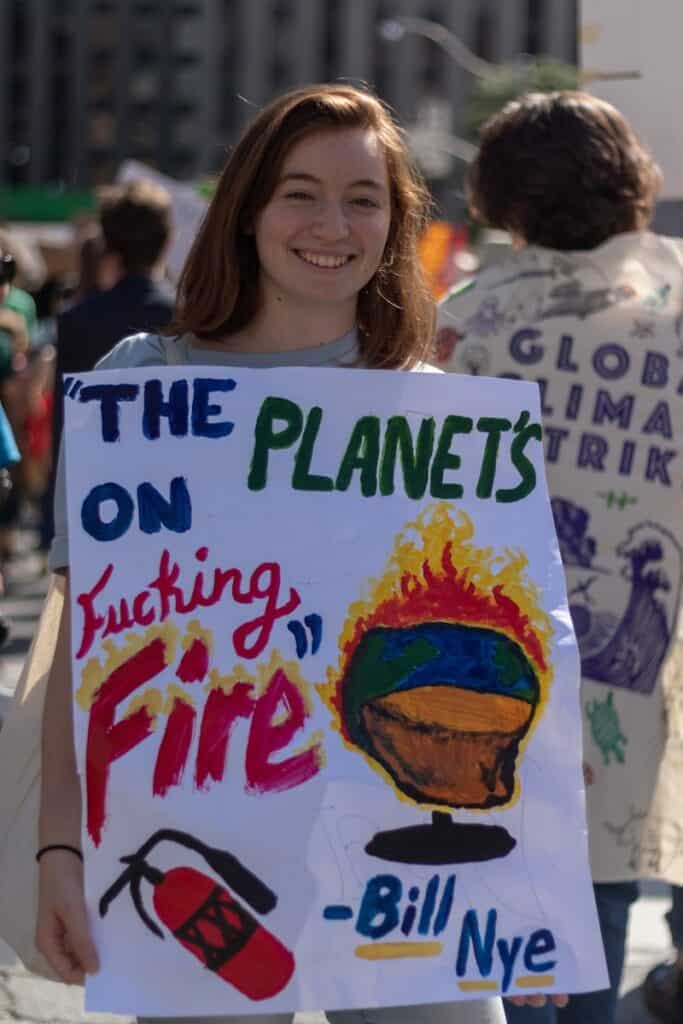
It all started with a bunch of environmental educators on TikTok who wanted to make real change, not just go viral. EcoTok was about one thing: using digital platforms to spark real-world action. Now, EcoTok Business is leveling that up — highlighting sustainable startups, creators who care, and wellness entrepreneurs who are flipping the script on what “business as usual” even means.
Here’s the kinda stuff you’ll find here:
🌍 Climate & Sustainability – Think climate hacks, activism, and policy moves that actually matter.
🌱 Wellness & Hemp – CBD, hemp, and natural living without the corporate greenwashing.
📲 Creator Economy & Activism – From TikTok to OnlyFans, how creators are funding their passions and fighting for change.
EcoTok Business is basically your inspo feed for eco-friendly living and future-forward hustle. If you’re an activist, an entrepreneur, or just someone who cares about what tomorrow looks like — you’ll feel at home here.
Because honestly? The future isn’t about choosing between making money and making an impact. It’s about doing both — smarter, greener, and louder. 🚀✨
- How Chronic Pain Affects Productivity, Income, and Everyday Life
When most people think about chronic pain, they think about physical discomfort. However, the effects of chronic pain often extend far beyond the pain itself.
For millions of Americans, chronic pain impacts their ability to work, earn income, care for family members, and participate in daily activities. In many cases, the financial consequences become almost as challenging as the medical condition itself.
Understanding these hidden costs helps explain why chronic pain remains one of the most significant public health issues in the United States.
The Link Between Chronic Pain and Lost Productivity
Chronic pain can make even routine tasks difficult.
People experiencing ongoing pain may struggle with:
- Sitting for long periods
- Standing for extended periods
- Lifting objects
- Driving
- Concentrating at work
- Maintaining consistent schedules
As symptoms worsen, employees may miss workdays or find themselves unable to perform at their usual level.
Researchers often refer to this as “presenteeism”—being physically present at work but unable to perform efficiently because of health-related limitations.
The Financial Impact on Workers
Many chronic pain sufferers face difficult financial decisions.
Some individuals reduce their hours, switch to less demanding jobs, or leave the workforce entirely.
This can lead to:
- Reduced income
- Missed promotions
- Lower retirement savings
- Increased medical expenses
- Higher insurance costs
Over time, these factors create a significant economic burden on households already dealing with ongoing health challenges.
Employers Feel the Effects Too
Businesses are also impacted by chronic pain among employees.
Organizations may experience:
- Increased absenteeism
- Reduced productivity
- Higher healthcare costs
- Increased disability claims
- Employee turnover
Because chronic pain affects such a large portion of the adult population, many employers now recognize pain management and employee wellness programs as important investments.
Chronic Pain Is More Than a Personal Issue
The economic effects extend beyond individuals and employers.
Healthcare systems, insurance providers, and government programs all absorb costs related to chronic pain treatment and disability support.
These expenses can include:
- Physician visits
- Specialist consultations
- Prescription medications
- Rehabilitation services
- Disability benefits
- Long-term healthcare management
When multiplied across millions of patients, the financial impact becomes enormous.
Understanding the Numbers
The true economic burden of chronic pain includes both direct and indirect costs.
Direct costs include medical treatment and healthcare spending. Indirect costs include lost wages, missed work opportunities, reduced productivity, and disability-related expenses.
For those interested in learning more about the financial impact of chronic pain, including annual costs per patient and national economic estimates, this resource provides a detailed breakdown of the latest research and statistics:
Cost of Chronic Pain Per Person Statistics
The report examines how chronic pain affects individuals, employers, and the broader healthcare system: Chronic pain cost data
Looking Ahead
As America’s population continues to age, experts expect chronic pain to remain a major healthcare and economic challenge.
Understanding the costs associated with chronic pain can help policymakers, employers, healthcare providers, and patients make more informed decisions about treatment, prevention, and long-term management strategies.
While no single solution exists, increased awareness of the economic impact may encourage greater investment in effective pain management approaches that improve quality of life while reducing financial strain.
- Why Experience-Based Celebrations May Be the Future of Sustainable Parties
In the conversation around sustainability, we often focus on big systems — renewable energy, transportation, and food production. But environmental impact also shows up in smaller, everyday choices.
Even something as simple as how we celebrate birthdays and community events can influence waste, consumption habits, and environmental awareness.
In recent years, families have begun shifting away from disposable party culture toward experience-based celebrations. Instead of filling gift bags with plastic toys and single-use items, more parents are focusing on activities that create lasting memories without generating unnecessary waste.
This shift reflects a broader cultural change: valuing shared experiences over disposable products.
The Hidden Waste of Traditional Birthday Parties
Many traditional children’s parties generate a surprising amount of waste.
A typical party can include:
• plastic party favors
• disposable decorations
• cheap novelty toys
• single-use tableware
• packaging from gift bags and decorationsMost of these items are used for only a few hours before ending up in the trash.
While each party may seem small, these habits add up. With millions of children’s parties happening every year, the amount of waste generated from disposable party supplies can be significant.
This has led many families to rethink how they celebrate.
The Rise of Experience-Based Celebrations
Instead of focusing on disposable items, more parents are choosing experience-driven parties.
These celebrations focus on activities that bring children together rather than items they take home. Examples include:
• outdoor games
• interactive play areas
• creative workshops
• obstacle courses
• inflatable play structuresWhen children are engaged in shared activities, the party becomes about movement, imagination, and social interaction, rather than gifts or throwaway toys.
Experience-based celebrations often create stronger memories and encourage kids to participate together rather than individually.
One Shared Activity Instead of Dozens of Disposable Toys
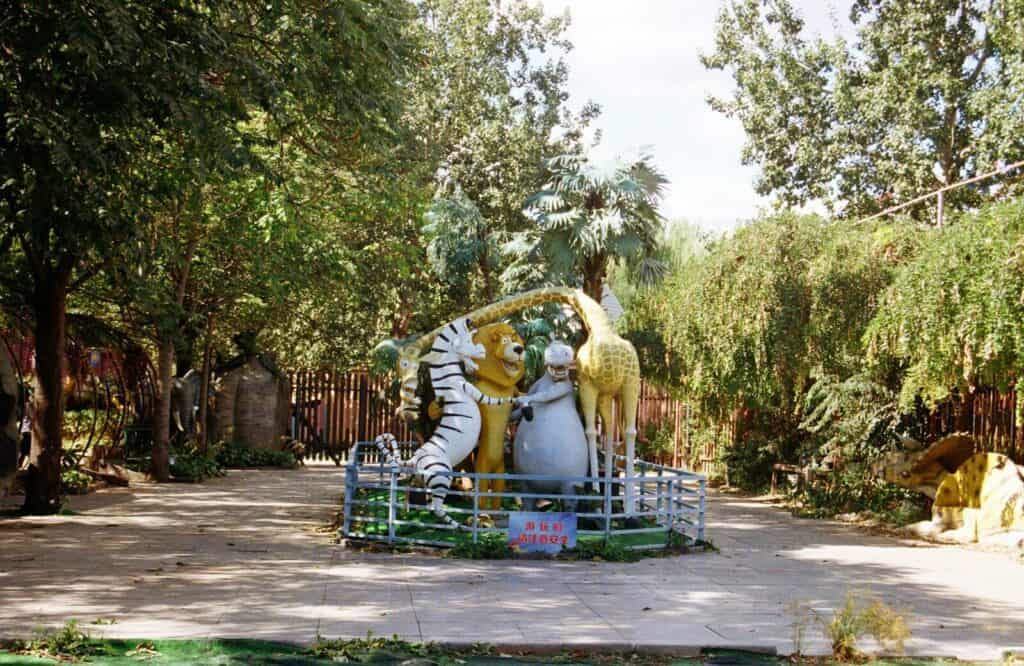
One of the most effective ways to reduce party waste is to replace multiple disposable items with one shared activity that everyone enjoys.
For example, inflatable play areas and bounce houses allow dozens of children to participate in a single reusable experience.
Instead of each child receiving plastic toys that may be used once and discarded, kids spend hours running, jumping, and interacting together.
Local companies like Grand Gator Events of Temecula CA provide inflatable rentals that help families create active outdoor celebrations centered on shared fun rather than disposable entertainment.
In this model, one reusable activity can replace dozens of throwaway party favors while also encouraging movement and social play.
Encouraging Outdoor Play
Experience-based celebrations also encourage something many children need more of: time outside.
Outdoor events naturally promote:
• physical activity
• teamwork and cooperation
• imagination and creative play
• social interactionChildren who participate in active play often remain engaged longer and develop stronger social connections than those focused on passive entertainment.
These outdoor experiences also help reinforce the idea that fun does not have to come from screens or consumer products.
Small Changes That Build Sustainable Habits
Sustainability often grows from everyday decisions.
Choosing reusable decorations, reducing disposable party favors, and focusing on shared activities may seem like small changes. But these shifts help shape how the next generation thinks about consumption and experiences.
When children grow up valuing activities, friendships, and creativity more than disposable items, they develop habits that align naturally with sustainability.
Celebrations That Create Memories — Not Waste
At its core, a great celebration is about connection.
Children remember the laughter, the games, and the excitement of being together far more than the small plastic toys they took home in a gift bag.
By focusing on shared experiences instead of disposable products, families can create events that are more memorable, more engaging, and more aligned with a sustainable future.
Sometimes the most meaningful changes begin with something simple:
Choosing experiences over excess.
- Sustainable Power Starts at Home: How Modern Electrical Upgrades Support Safer, Greener Living in Temecula
At EcoTok Business, we talk a lot about sustainability in terms of products, platforms, and the choices we make as consumers. But one of the most overlooked parts of climate-aligned living is something that sits quietly behind your walls: your home’s electrical system.
As we push toward cleaner energy, electrified homes, and reduced carbon footprints, the demand on residential power has never been higher. EV chargers, induction stoves, LED lighting, solar integrations, and high-efficiency appliances are transforming the way a modern home uses energy — but they all rely on one thing:
A safe, updated electrical foundation.
That’s where companies like BP Electric of Temecula are stepping into the sustainability conversation.
Why Electrical Work Is Climate Activism
Most people don’t connect electrical upgrades with environmental impact — but they should. A home with modern wiring and efficient circuits can:
- Reduce wasted energy
- Support LED and smart-lighting systems
- Safely integrate solar and battery storage
- Power EV chargers without overloading
- Improve overall efficiency and lower consumption
Old electrical panels were never designed for what sustainable living requires today. If your panel is outdated, overloaded, or unsafe, your home may be wasting power or unable to support eco-friendly upgrades.
Upgrading isn’t just a home improvement — it’s a climate investment.
The Hidden Problem: Outdated Panels Holding Back Clean Energy
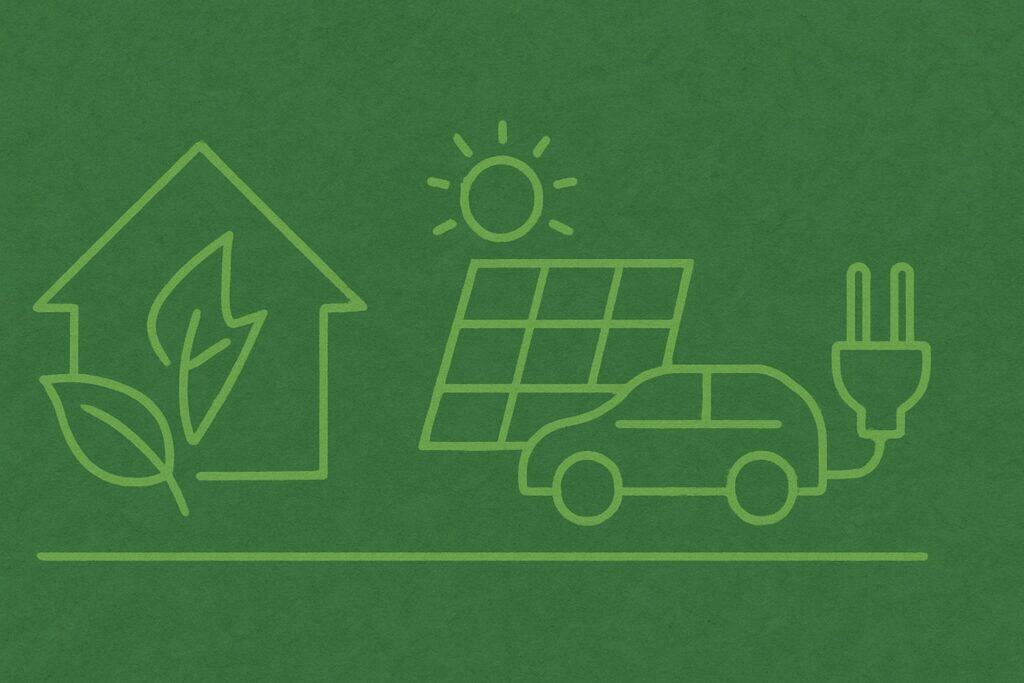
Temecula is full of homes built before the modern electrification era. That means:
- Limited amperage
- Circuits that can’t support EV chargers
- No room for solar tie-ins
- Increased fire risk from overloaded systems
Creators, remote workers, and eco-entrepreneurs — the exact community EcoTok speaks to — often run multiple screens, lighting setups, and high-draw electronics. Without proper wiring, your home becomes inefficient, unstable, and unsafe.
A licensed electrician ensures your system meets today’s demand while reducing energy loss and supporting future clean-tech additions.
Lighting the Sustainable Way
LEDs, smart lights, and motion-based systems cut energy use dramatically, but they require stable, clean electrical flow. BP Electric installs systems that allow:
- High-efficiency LED conversions
- Low-watt studio lighting setups
- Programmable smart lighting
- Outdoor security lighting that reduces waste
These changes don’t just save power — they empower households to reduce their climate impact without sacrificing modern convenience.
Empowerment Through Better Infrastructure
EcoTok Business explores activism through entrepreneurship and personal choices. Electrical upgrades fall right into that mission:
- They reduce household emissions
- They make homes safer
- They support long-term sustainability goals
- They empower creators, families, and entrepreneurs to grow responsibly
Climate action isn’t always loud. Sometimes it looks like small, intentional choices — replacing outdated wiring, adding safer circuits, and supporting a local company committed to high-quality, code-safe electrical work.
A Greener Future Needs Better Power
Whether you’re upgrading for solar, building a home studio, or simply trying to reduce energy waste, your electrical system is where sustainability truly begins.
For Temecula homeowners who want their space to be safer, more efficient, and ready for a greener future, BP Electric of Temecula is a partner that aligns with the mission.
- Creative Activism: Art, Music, and Performance as Tools for Environmental Change
Introduction
Activism doesn’t always look like protests or petitions. Around the world, artists are using creativity to spotlight climate issues, inspire dialogue, and move people emotionally in ways data alone cannot.
The Language of Art
Visual art can make abstract problems tangible. Murals of melting glaciers or sculptures made from ocean plastics turn distant issues into immediate, visceral experiences.
Music as a Movement
Musicians have long been tied to social causes. Today, climate-focused songs and benefit concerts raise both awareness and funds for environmental campaigns. Music also fosters a sense of unity across diverse audiences.
Performance and Storytelling
Theater, film, and dance interpret climate themes in ways that connect emotionally. Storytelling brings science down to a human scale, allowing audiences to see themselves in the crisis.
Why Creative Activism Works
Facts inform, but emotions move people to act. Art bypasses resistance and sparks empathy, making it a crucial complement to traditional forms of activism.
Conclusion
Creative activism expands the toolbox of climate movements. By blending science with storytelling, activists can reach hearts as well as minds — and inspire broader participation in the fight for the planet.
- The Psychology of Eco-Anxiety: Why Young People Are Worried About the Planet
Introduction
As climate change intensifies, so does a new kind of mental health challenge: eco-anxiety. For many young people, the constant stream of environmental news creates feelings of fear, helplessness, and uncertainty about the future.
What Is Eco-Anxiety?
Eco-anxiety isn’t a clinical disorder but a growing psychological response to the climate crisis. It’s marked by worry about environmental doom, guilt over personal consumption, and stress about the lack of global action.
Why Young People Are Affected Most
Gen Z and Millennials will live longest with the consequences of climate change. Social media exposes them to climate news daily, often without balance or context. This combination fuels stronger emotional responses.
Positive Channels for Anxiety
Not all eco-anxiety is negative. For some, it acts as a motivator — pushing them toward activism, sustainable living, or careers in environmental fields. The challenge is channeling worry into constructive action.
The Role of Community
Joining climate groups, attending rallies, or even participating in online discussions can transform anxiety into empowerment. Shared concern reduces isolation and builds resilience.
Conclusion
Eco-anxiety reflects the reality of a generation facing unprecedented challenges. By acknowledging it and providing outlets for positive action, we can help young people turn fear into fuel for change.